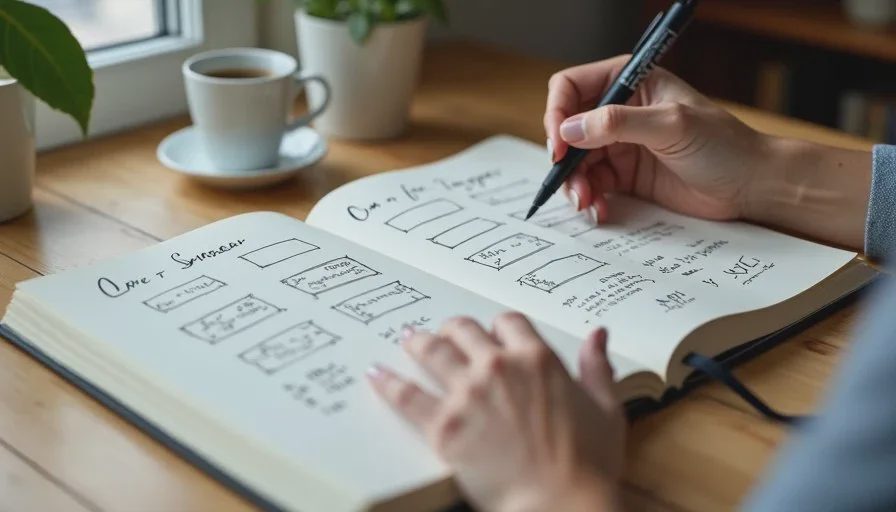
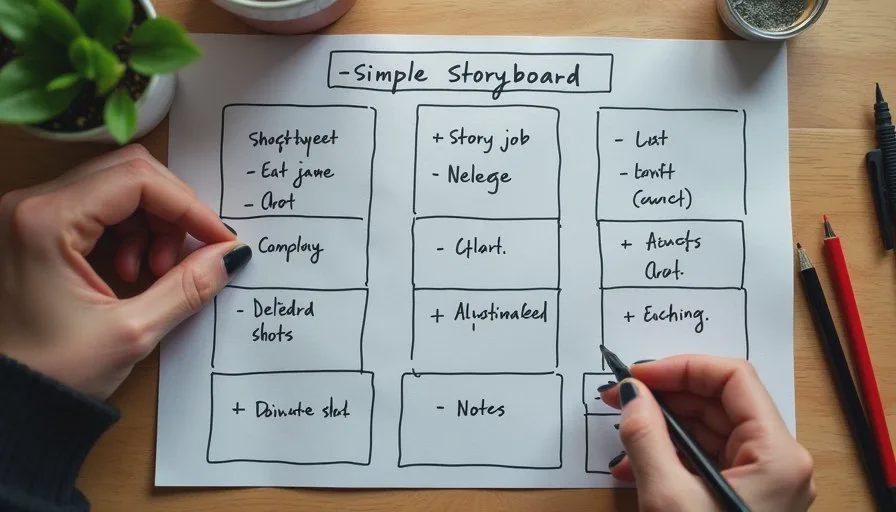
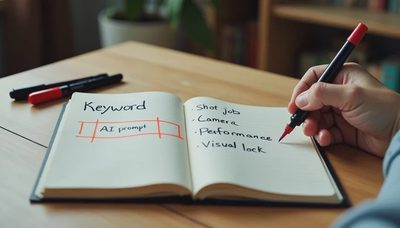
A strong AI short film shot list is one of the highest-leverage tools available to a solo creator. Without it, generations stay random. With it, every image and video clip has a job. The difference shows up immediately in continuity, pacing, and emotional clarity.
I’m Claire Morgan. I came to AI filmmaking from traditional short-form production, where shot lists were non-negotiable. Early AI projects taught me the same lesson again: when I skip the shot list, I waste generations and end up with beautiful frames that do not cut together. When I write the list first, the tools become easier to direct. This post breaks down the four shot types I use most often in one-minute AI dramas and shows how to turn them into a practical list.
Why Shot Lists Matter More in AI Than in Live-Action
In live-action you can adjust on set. In AI generation every new clip is a separate decision. A shot list forces you to decide what information each frame must carry before you spend time and credits generating it.
A good list also protects continuity. When you know the wide shot must establish the jacket color and the close-up must protect the face lock, you stop accepting generations that look nice but break the scene.
I write the shot list after the five-beat outline and the character bible are finished. That order keeps the list short and purposeful. Most of my one-minute pieces use only four to six shots total.
The Four Shot Types I Rely On
Wide Shot (or Medium-Wide)
The wide shot shows the character in the environment. Its job is orientation. The audience learns where they are, how much space exists between people or objects, and what the starting physical state looks like.
In AI work I keep wide shots relatively clean. Too much complex background detail increases the chance of morphing or inconsistency. I lock the key props and wardrobe in the prompt and accept that the background can be slightly softer.
Medium Shot
The medium shot is the workhorse. It shows the character from roughly the waist or mid-torso up and is ideal for dialogue, gesture, and status relationships between two people. Most of the “acting” in a sixty-second piece happens here.
Medium shots are also the easiest place to protect face and wardrobe consistency because the frame is tight enough to prioritize the character lock block.
Close-Up
The close-up isolates the face or a critical detail at the moment of highest pressure. Its job is emotional or informational emphasis. I use close-ups sparingly — usually once or twice per minute — so they retain impact.
In AI generation, close-ups are unforgiving. Any drift in eyes, mouth shape, or hair becomes obvious. This is why the character bible and lock block matter most for these frames.
Insert Shot
The insert is a tight detail shot: a phone screen, a hand putting down a cup, a door handle turning, a letter being folded. Inserts are powerful because they can carry story information without needing a perfect face performance.
I reach for inserts when I need to show a decision or a trigger cleanly. They are often easier to generate consistently than another close-up of the face.
How I Build the Actual List
I start with the five-beat outline and assign one primary shot type to each beat. Then I add one or two supporting shots only if the story needs them.
A typical pattern for a one-minute confrontation or decision scene looks like this:
Wide or medium-wide – Establish location and starting state
Medium – Trigger or first exchange
Close-up – Peak emotional or decision moment
Insert – Confirming detail (phone face-down, door closing, object left behind)
Medium or wide – New state / consequence
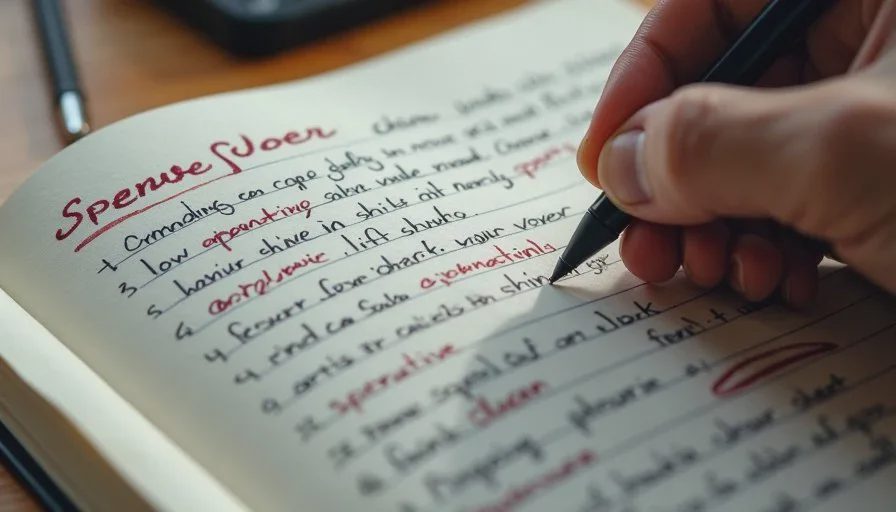
I write each line in the same format:
Shot number – Shot type – What the audience must understand – Key continuity notes
Example:
3 – Close-up – She decides not to reply – Protect face lock, same side lighting as shot 2, phone still in frame at bottom edge
This level of specificity keeps me honest during generation. If a beautiful close-up arrives but the lighting direction has flipped or the phone has disappeared, I know it fails the list even if the face looks strong.
Matching Shot Type to Story Job
Not every beat needs the same treatment. I ask one question for each beat: what does the audience need to understand right now?
If they need geography or physical relationship → wide or medium-wide
If they need to follow behavior or dialogue → medium
If they need to feel the internal pressure → close-up
If they need a clean piece of information → insert
This question prevents the common habit of defaulting to close-ups because they look more “cinematic.” Too many close-ups without establishing context usually make the scene feel spatially confusing.
Practical Tips for Generating Each Shot Type
Wide shots
Keep the character large enough in the frame that face and wardrobe remain readable. Extreme wides with tiny figures often lose identity and become hard to match later.
Medium shots
These are the best place to generate your primary character reference images. Once you have two or three clean mediums that match the bible, use them as image references for the rest of the project.
Close-ups
Generate more variations than you think you need. Small differences in eye direction or mouth tension matter. I often generate eight to twelve close-ups for a single key moment and select in the edit.
Inserts
Treat them as separate mini-productions. You can often generate inserts with lighter character constraints or even without the full face, which saves time and reduces drift.
Common Shot List Mistakes I Still Catch Myself Making
Writing too many shots for sixty seconds. The edit becomes choppy and the emotional thread breaks.
Skipping the wide shot because “everyone already knows it’s a coffee shop.” The audience does not know until you show them.
Using close-ups for information that an insert could carry more cleanly.
Forgetting to note continuity requirements next to each shot. The list then becomes decorative instead of useful.
Changing the shot list mid-generation because a new image looks prettier. Beauty is not the same as function.
When any of these appear, I return to the five-beat outline and re-assign shot types from the story outward instead of from the prettiest frame inward.
How the Shot List Connects to the Rest of the Workflow
The shot list sits after the character bible and before heavy generation. It tells me:
Which reference images I must lock first
Which shots can tolerate more variation
Where lip-sync and performance pressure will be highest
What order I should generate in (usually establish and mediums first, close-ups and inserts later)
During editing the list becomes a checklist. I lay out the selects in shot-list order and only then look for alternatives. This prevents the common trap of building the edit around the most beautiful clip instead of the clearest story sequence.
A good AI short drama still needs a human director. The shot list is one of the clearest places where that direction happens on paper before the tools ever open. Write the list. Then generate. The scenes hold together more often, and the failures become easier to diagnose.
Take a one-minute idea you are working on. Write five shot lines using only the four types above. Keep the list visible while you generate. The improvement in clarity is usually visible by the third or fourth clip.

Travellers Write
No letters yet — be the first traveller to write.