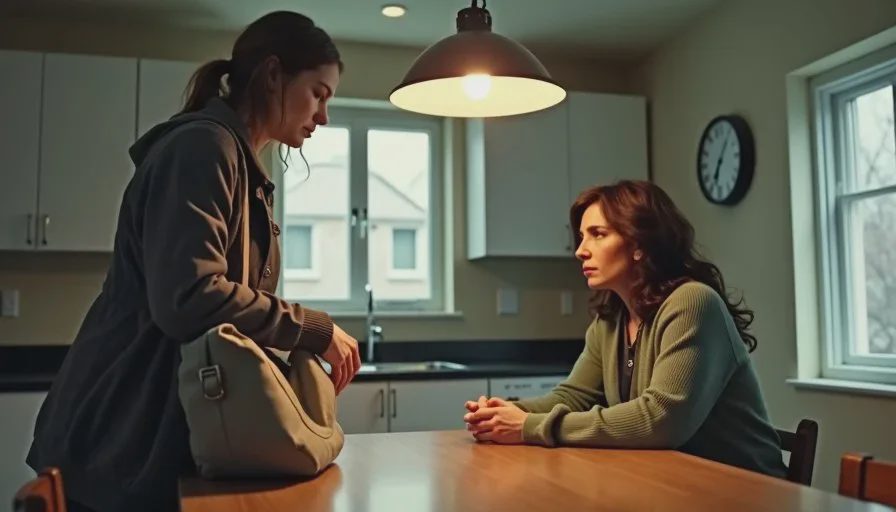
A two-character confrontation is one of the most useful scenes a beginner can build. It forces every major production skill into a short runtime: clear goals, locked characters, controlled shot sizes, readable performance, and an edit that lets the tension land. When the scene works, you know the workflow is solid. When it fails, the weak stage is usually easy to identify.
I’m Claire Morgan. I use confrontation scenes as teaching projects because they reveal problems quickly. The example below is a complete pass through my current process. The story is simple on purpose so the production steps stay visible.
The Scene Premise
One-sentence idea:
A woman tells her friend she is leaving the city tonight. The friend tries to stop her.
Five-beat outline:
Establish: The two women sit across from each other in a quiet apartment kitchen at night.
Trigger: The first woman says she has already bought the ticket.
Struggle: The friend argues, pleads, and tries to change her mind.
Turn: The first woman stands and picks up her bag.
New State: She walks to the door. The friend stays seated, silent.
This premise gives both characters a clear want. One wants to leave. The other wants her to stay. The conflict is visible and contained.
Step 1: Character Bibles and Lock Blocks
I create two short character bibles before any images.
Character A (the one leaving): early 30s, oval face, dark straight hair to the shoulders, small mole on the left cheek, wearing a dark gray travel jacket over a black sweater. Personality note: keeps her answers short when she has already decided.
Character B (the friend): early 30s, slightly rounder face, lighter brown wavy hair pulled back, wearing a soft green cardigan. Personality note: talks more when she is losing the argument.
Each bible produces a lock block that will be pasted unchanged into every prompt for that character. I also decide the primary light direction for the kitchen (warm practical light from a hanging lamp above the table, cooler window light from the side) so both characters share the same lighting logic.
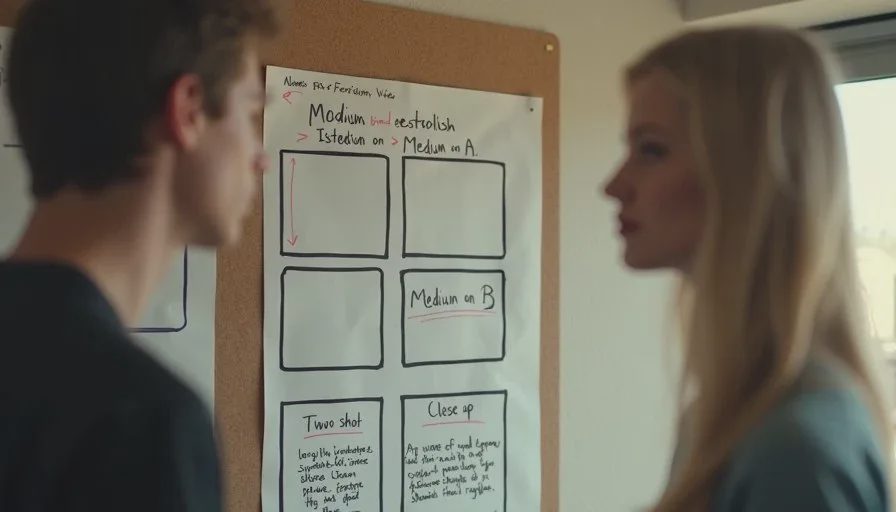
Step 2: Shot List Built from the Beats
I translate the five beats into six shots:
Medium-wide – Both women seated at the table, establishing the space and the distance between them.
Medium on A – She delivers the news about the ticket.
Medium on B – The friend’s first reaction and pushback.
Over-the-shoulder or two-shot – The argument peaks.
Close-up on A – She stands and picks up the bag (the turn).
Medium-wide – A walks to the door; B remains seated (new state).
Each line on the shot list includes the continuity notes that matter: same jackets, same hair, same key light direction, bag visible only after the turn.
Step 3: Reference Images for Both Characters
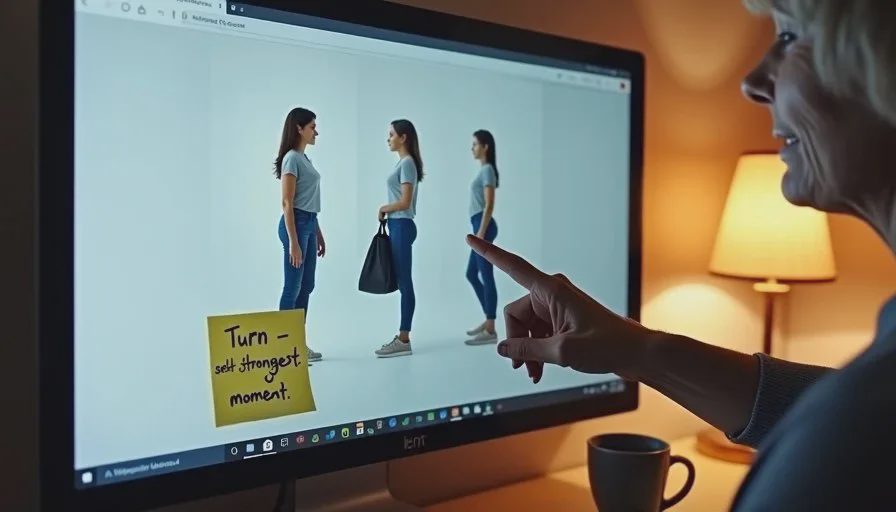
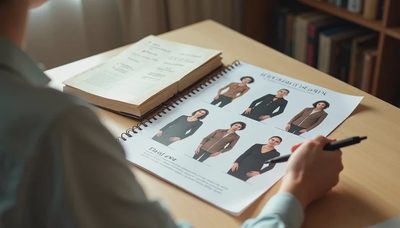
I generate separate reference sets for A and B before any scene frames. Each set contains clean medium shots and neutral close-ups under the planned kitchen lighting. I do not proceed until both characters hold their identity across their own reference sheets.
Only after the references are locked do I generate the first scene stills. I start with the medium-wide establishing shot because it forces both characters into the same frame and the same lighting environment. If that shot fails, the rest of the scene will be harder to match.
Step 4: Still Frames for Every Shot
I build the scene still-first. For each line on the shot list I generate a batch of stills, select the strongest match to the lock blocks and the required story beat, and only then move to motion.
Key practical rules I follow on this project:
Character A’s lock block stays identical in every prompt.
Character B’s lock block stays identical in every prompt.
Lighting direction is restated in every prompt.
Performance notes stay physical (“she looks down at the table before answering,” “he leans forward, hands open”) rather than emotional labels.
The still stage is also where I solve spatial problems. If the two characters feel too far apart or too close in the establishing shot, I fix it here before animating.
Step 5: Image-to-Video and Motion Control
Once the stills are selected, I run them through image-to-video with restrained motion prompts. For confrontation scenes I keep camera movement minimal. Slow push-ins on the turn and the final medium-wide are usually enough. Excessive camera motion tends to fight the performance and create new continuity issues.
I generate multiple motion versions for the key emotional shots (the turn and the final new-state wide). Timing is easier to adjust in the edit when I have options.
Step 6: Dialogue, Voice, and Temporary Assembly
Dialogue is finalized only after the picture exists so line length can match shot length. In this scene the lines stay short:
A: “I already bought the ticket. I leave tonight.”
B: “You can still change it. Just stay the week.”
A: “I’m not changing it.”
I generate voice performances, lay them against the picture, and make a temporary assembly in shot-list order. This rough cut immediately shows whether the tension builds or stalls. In early versions of this scene the struggle section ran too long; cutting one exchange fixed the pace.
Step 7: Final Edit and Continuity Pass
The final edit follows the shot list first. Only after the story plays cleanly do I look for alternative takes. I run three focused passes:
Continuity pass looking only at faces, hair, jackets, and the bag.
Performance pass checking whether the decision moment lands.
Pacing pass removing any beat that does not raise or release pressure.
Sound is kept simple: room tone, the soft scrape of the chair when A stands, the bag strap, and a low distant city bed under the final wide. Music, if used at all, enters only after the door closes.
What Usually Breaks and How I Fix It
Face drift between the two characters in shared frames is the most common failure. The fix is regenerating the two-shot with both lock blocks and the strongest individual references, not trying to repair one face in isolation.
Another frequent problem is the bag appearing too early or changing color. I now treat the bag as a continuity prop with its own short description and only introduce it in the turn shot and after.
Pacing problems usually come from letting the struggle section breathe too long. Confrontation scenes in sixty seconds rarely need more than two or three exchanges before the turn.
Why This Scene Is Worth Building
A two-character confrontation compresses the entire AI short-drama workflow into one manageable project. You practice dual character locks, shared lighting, shot-size control, performance direction, and an edit that must carry tension without relying on spectacle.
When you can complete one clean confrontation scene, the same process scales to quieter or more complex material. The tools stay the same. The discipline of locking characters, writing a purposeful shot list, and editing in story order remains the core.
A good AI short drama still needs a human director. Building a two-character confrontation step by step is one of the clearest ways to practice that job. Start with the wants. Lock both characters. Generate stills before motion. Edit for pressure, not for individual beauty. The finished scene will tell you whether the workflow is working.


Travellers Write
No letters yet — be the first traveller to write.